Every child deserves to be seen for who they are — not what they're missing.
We support families navigating X and Y chromosome variations — with medically credible resources, peer community, and advocacy for language that centers strengths, not deficits.
- 500+ Families supported
- 28 Global ambassadors
- 40+ Podcast episodes
Find your path
Start where you are.
Our resources are organized around the questions real families are asking — at every stage of the journey.
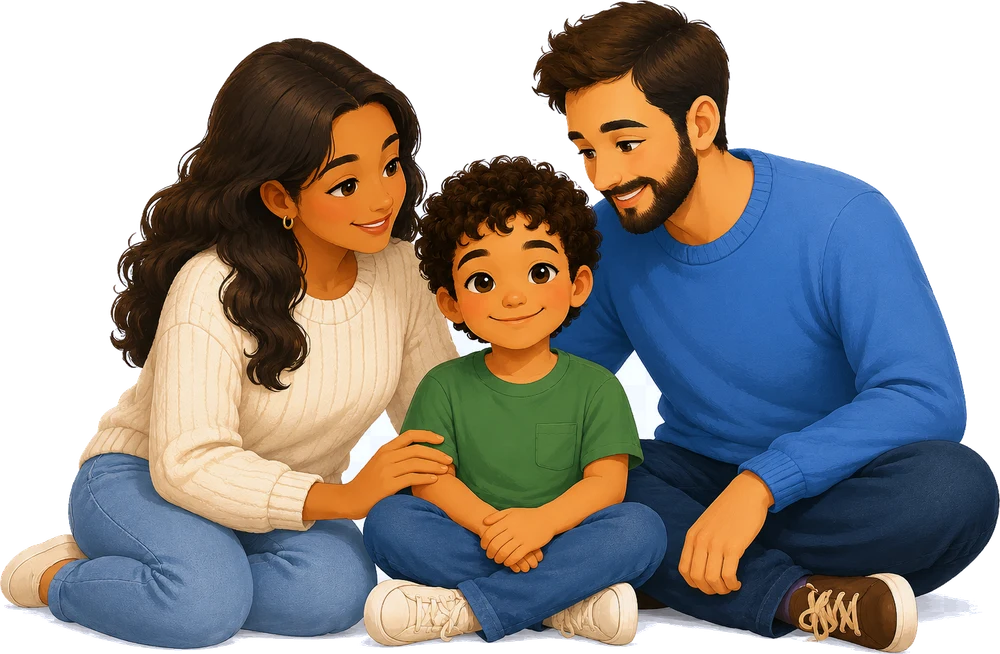
For parents
Milestone tracking, school advocacy, character strengths, and guidance for telling your child.
Explore →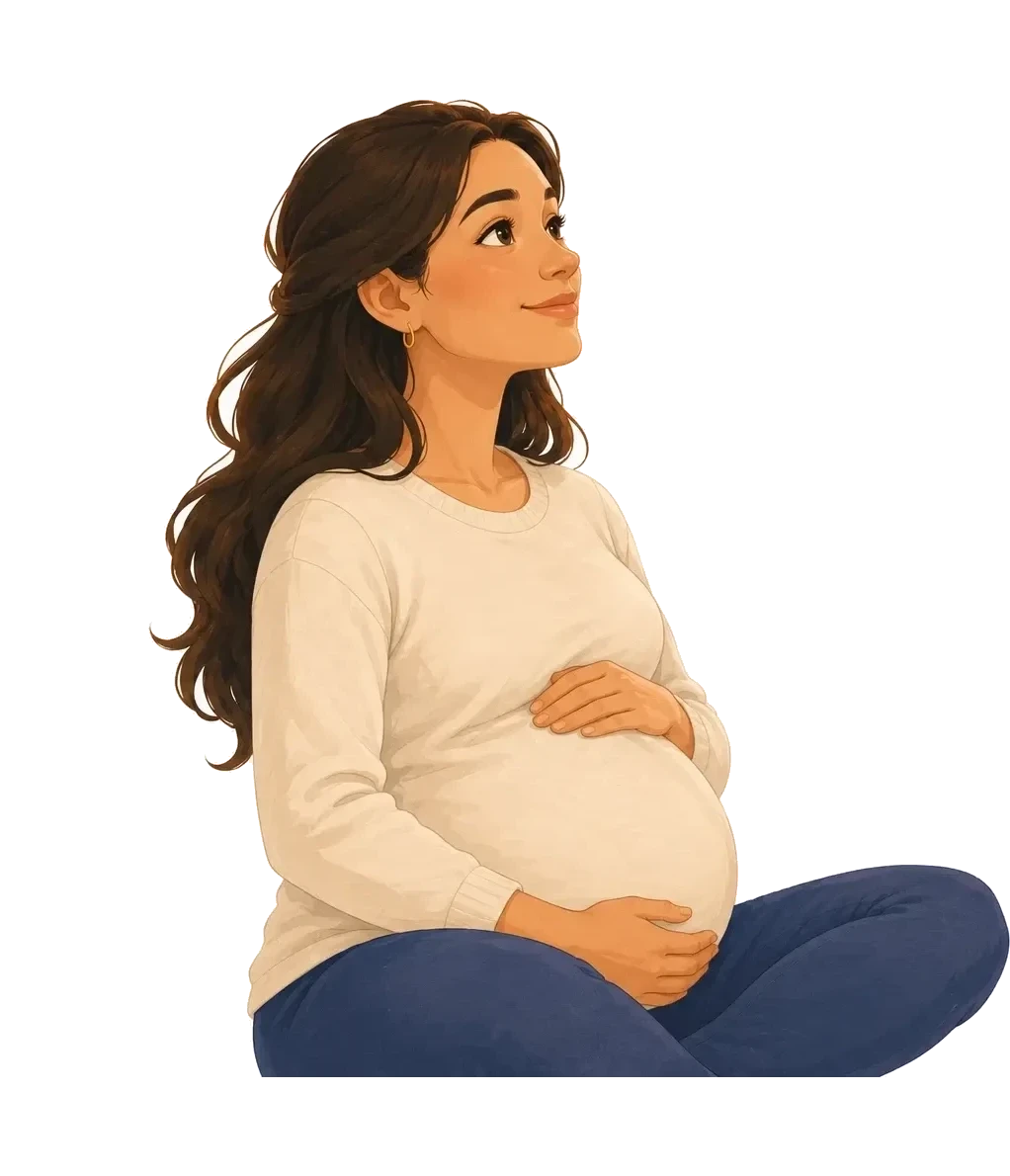
For expectant parents
You just got prenatal results. Start here — written by parents and clinicians, not pathologised.
Explore →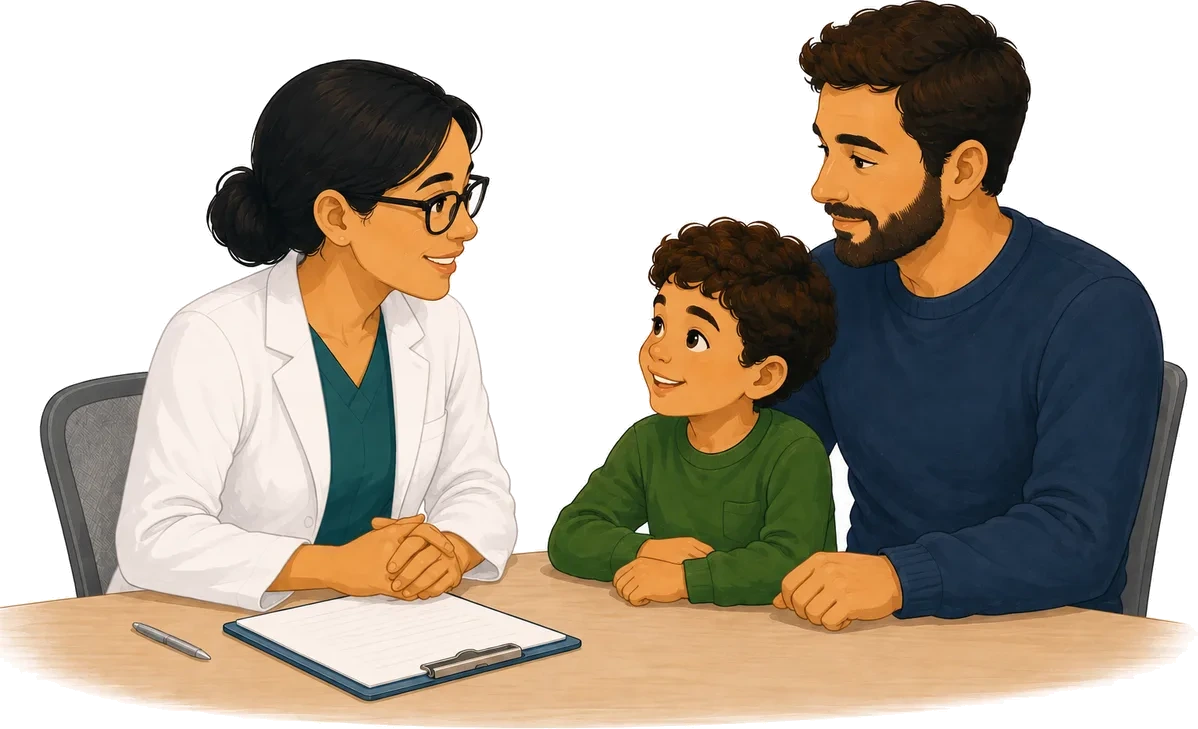
For clinicians
Research summaries, ACMG 2025 poster, depathologizing language guide, and clinically informed content.
Explore →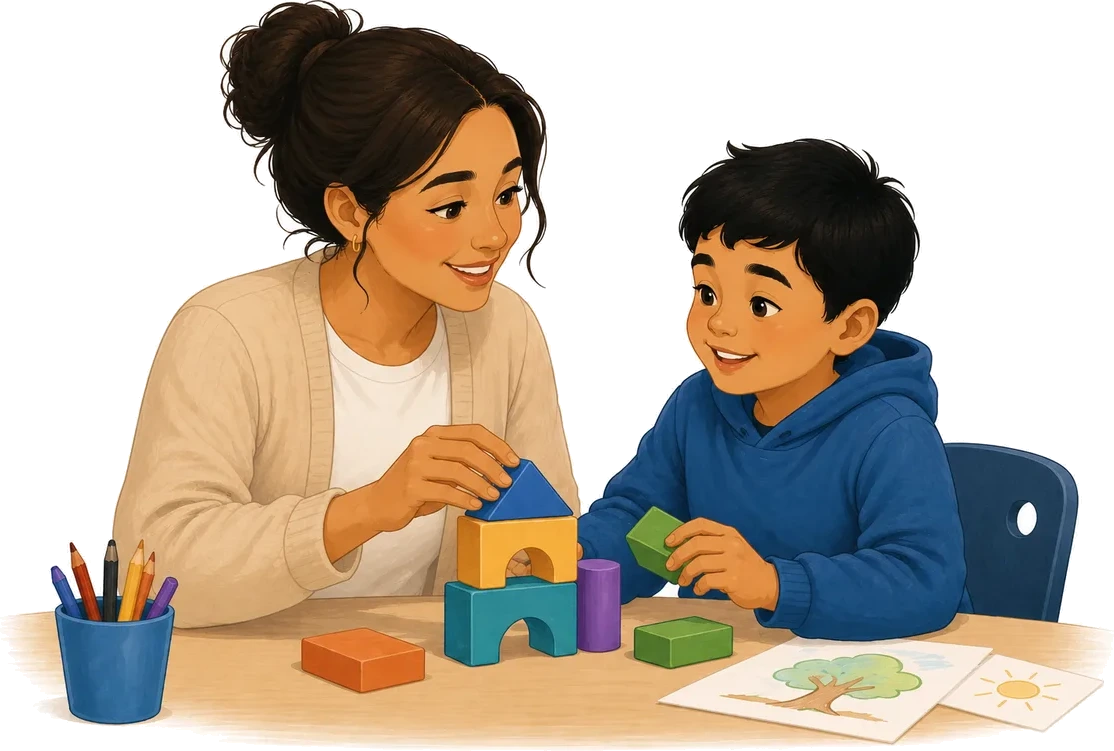
For educators
Classroom-ready materials on social-emotional development and educational needs.
Explore →Most-read resources
Written for families. Built with clinicians.
Genetic variations
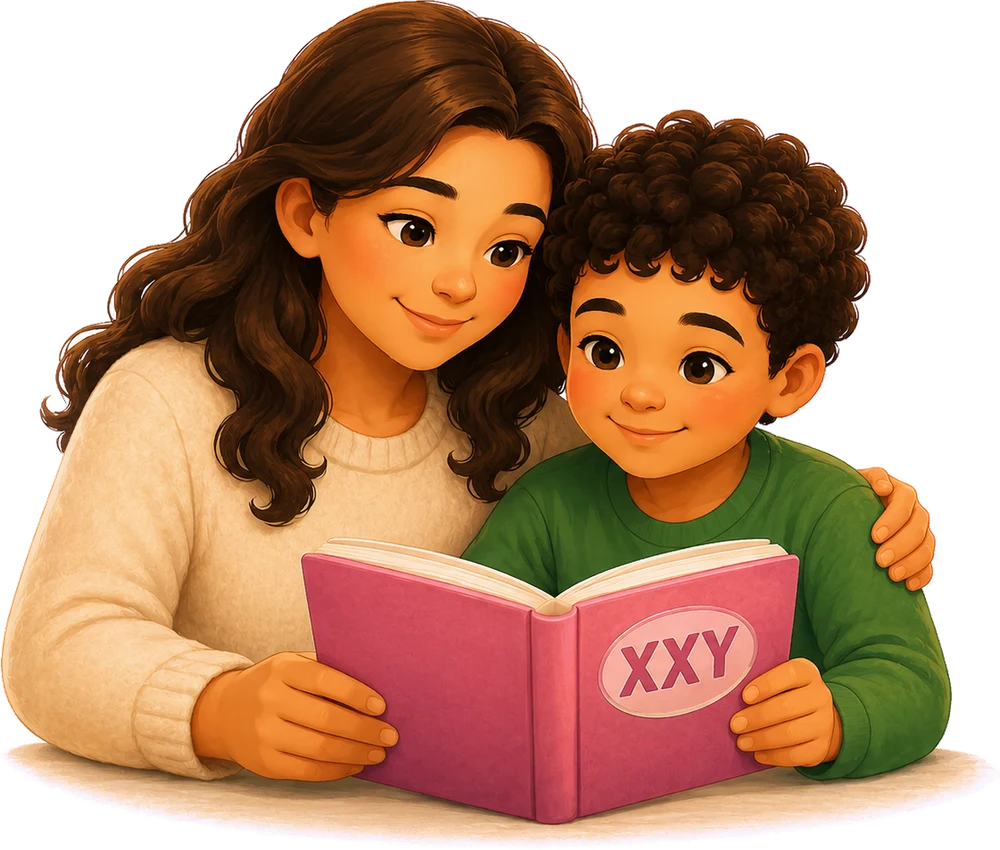
A guide to XXY (Klinefelter)
The most complete plain-language overview, developed with clinical guidance — written for families, not diagnosis codes.
Read the guide →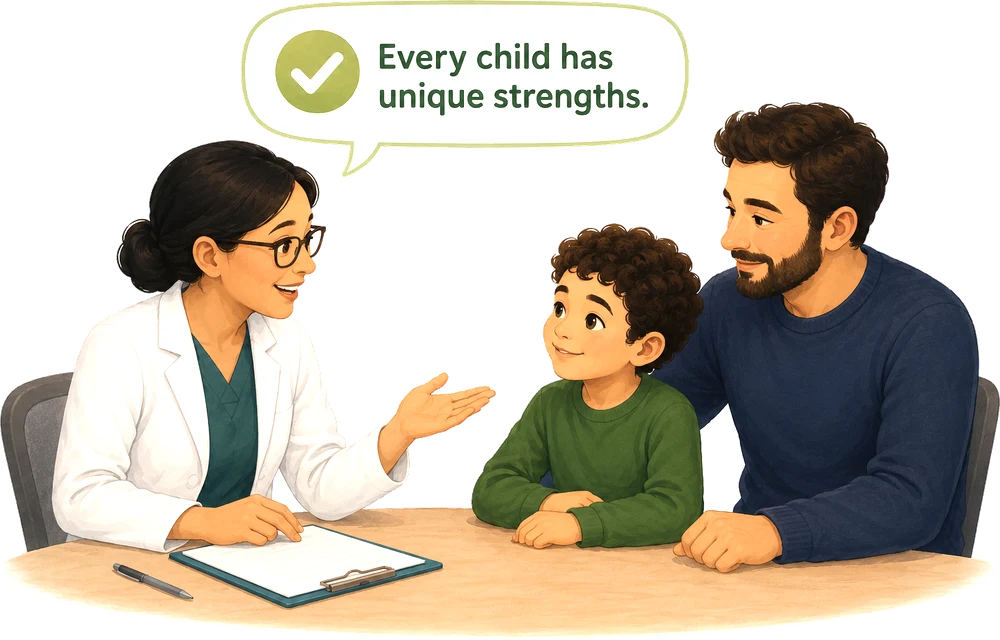
Language & advocacy
Depathologizing language
Why the words we use shape outcomes. A plain-language guide to the terms we choose and why.
Read the guide →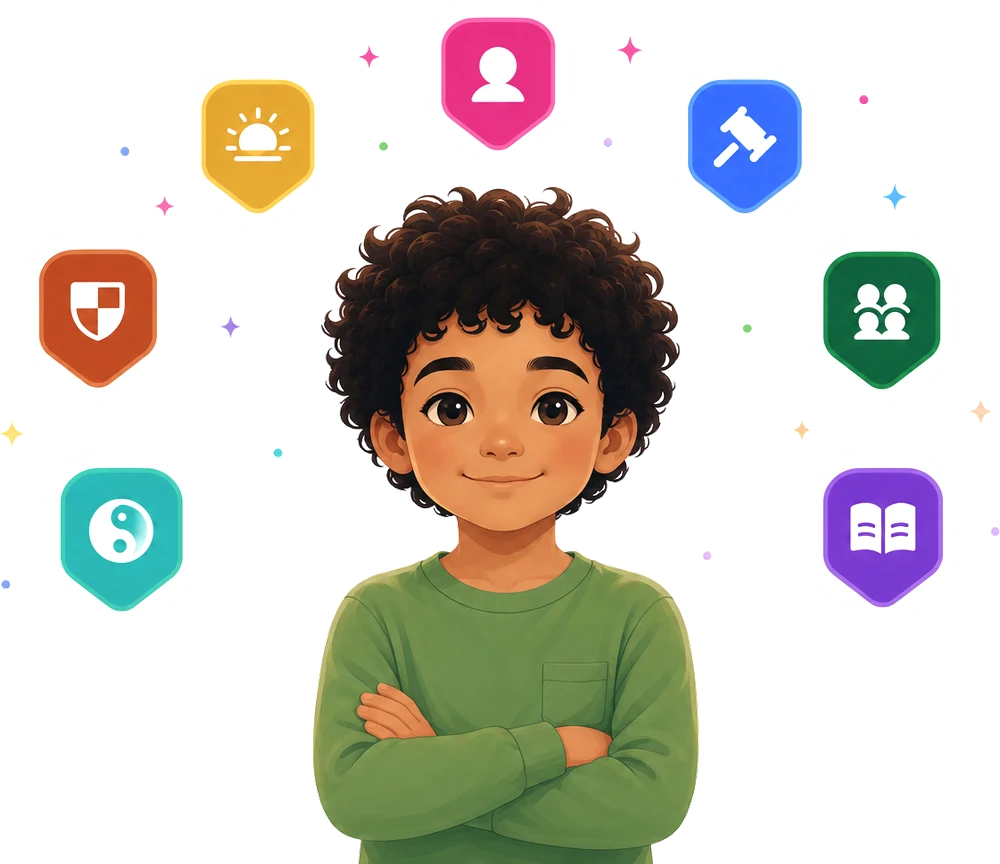
For parents
Character strengths
Every child has strengths. Learn how to see and nurture the ones that come naturally to yours.
Read the guide →Built with experts. Accountable to families.
Our clinical guides are shaped with our advisory board — experts in genetics, endocrinology, pediatrics, and family-centered care.
- Dr. Nicole Tartaglia, MD Developmental pediatrics eXtraordinarY Kids Clinic
- Dr. Claus Gravholt, MD, PhD Endocrinology Aarhus University Hospital
- David Godler, PhD Genomics Murdoch Children's Research Institute
- Tiffany Boughtwood Program leadership Australian Genomics
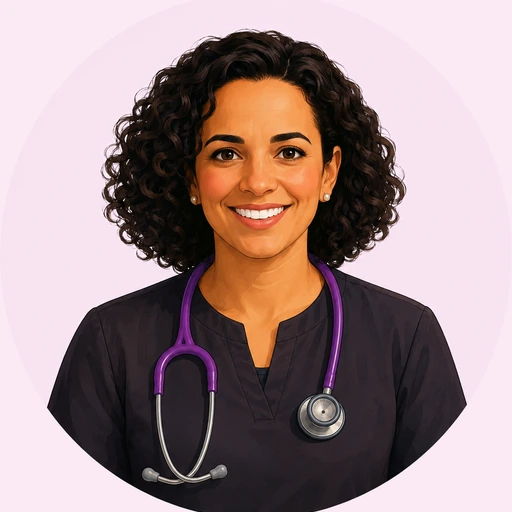

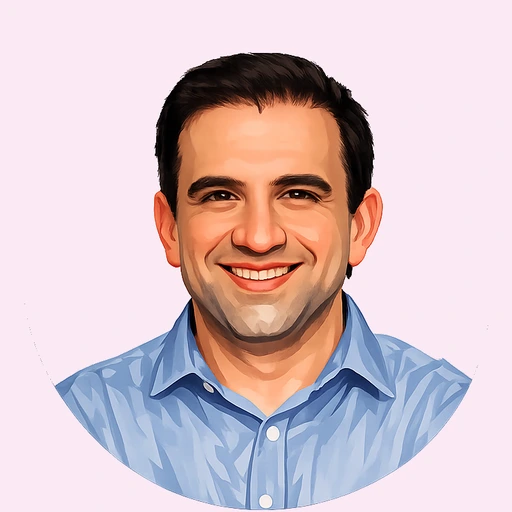
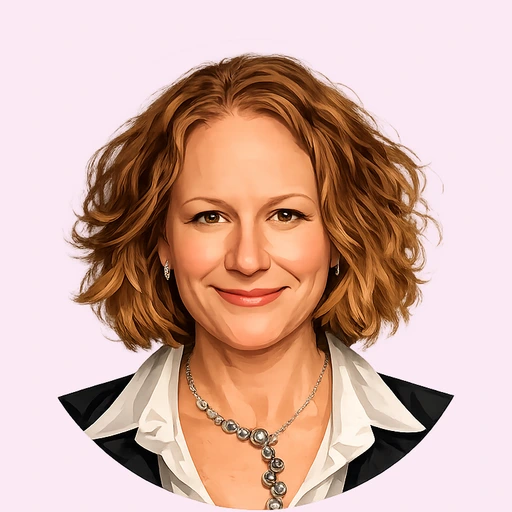
Our clinical guides are written in plain language, shaped with our advisory board, and dated by their most recent update.
Meet the full advisory board →In partnership with


Quick answers
Frequently asked questions
Real answers to what families, clinicians, and educators ask us most — starting with the question we hear first.
Have more questions? Get in touch →My child was just diagnosed — where do I start?
Take a breath — you don’t have to understand it all today. Start with our For Parents resources; the XXY guide and the character-strengths guide are good first steps, and our peer-mentorship program can match you with a family who has been where you are.
Explore getting-started resources →What is a chromosome variation?
Most people have 46 chromosomes in 23 pairs. A chromosome variation simply means a different number or structure of X or Y chromosomes — like XXY, XXX, or XYY. They are common (roughly 1 in 400–500 people), and most people with them live full, typical lives.
Read the overview →What does “depathologizing language” mean?
It is choosing words that describe difference without implying something is broken — “variation” instead of “disorder,” “support needs” instead of “deficits.” The words we use shape how a child sees themselves, so we choose them with care.
Read the language guide →How do I tell my child about their variation?
Honestly, age-appropriately, and as an ongoing conversation rather than one big talk. Our guide walks through what to say at each age — framed around strengths, not what is “missing.”
Read the guide →Is Chromodiversity Foundation a registered nonprofit?
Yes — we are a US 501(c)(3) nonprofit, so gifts are tax-deductible in the US. Our resources are developed with clinical guidance from our advisory board and dated by last update.
About the foundation →
Your gift goes further than you think.
Your gift funds programs directly — from the XXY guide to Chromo Camps.
Donate-
Clinically informed guides
Plain-language guides for every step of the journey, developed with clinical guidance.
-
Peer community
Connection and belonging for families around the world.
-
Family experiences
Camps, events, and scholarships that build lasting memories.
-
Advocacy & awareness
Better care, stronger policies, and a more inclusive future.